How can the inner and outer walls of the hose pipe be made smoother?
To make the inner and outer walls of the
Low Pressure Oil Hose smoother, you can take the following measures:
For the outer wall:Select the appropriate manufacturing process and materials: In the hose pipe manufacturing process, the use of high-quality raw materials and advanced production processes is the key to ensuring a smooth outer wall. For example, some polymer materials have naturally smooth surfaces. Choosing these materials as the outer wall material of the hose pipe can effectively improve the smoothness.
Grinding and polishing: During the production process, the outer wall of the
Low Pressure Oil Hose can be ground and polished. Using professional sanding tools and polishes, tiny bumps and imperfections on the surface can be removed, leaving the exterior wall smoother.
Coating treatment: In order to further improve the smoothness of the outer wall, you can consider applying a smooth coating to the outer wall of the hose pipe. This coating not only increases the smoothness of the surface, but also improves the wear resistance and corrosion resistance of the hose pipe.
For inner walls:Precisely control the production process: During the hose pipe manufacturing process, production parameters and process conditions are strictly controlled to ensure the smoothness of the inner wall. For example, by precisely controlling factors such as temperature, pressure and extrusion speed of the mold, the roughness and unevenness of the inner wall can be reduced.
Grinding and cleaning: After the hose pipe is manufactured, special grinding tools and cleaning agents can be used to grind and clean the inner wall. This helps remove residue and tiny bumps on the inner wall and improves the smoothness of the inner wall.
Use hose pipe products with smooth inner walls: In the market, some hose pipe products pay special attention to the smoothness of the inner wall. These products use special production processes and materials to make the inner wall smoother. Consider these products when choosing a hose pipe.
How are different types of hose pipes marked and identified through coating treatments?
To mark and identify different types of
hose pipes through coating treatments, several methods can be used:
Color Coding: Using different color coatings to differentiate between different types or sizes of hose. For example, a blue coating might represent a hose for one specific use, while a red coating might represent another use. This color coding method is intuitive and easy for users to identify quickly.
Text or pattern identification: Print text, numbers, letters or specific patterns on the coating to identify the type, specification, manufacturer and other information of the hose. These markings can be achieved through screen printing, inkjet printing or laser engraving to ensure clear and lasting markings.
Barcode or QR code: Add a barcode or QR code to the coating, and the relevant information of the hose can be quickly read through a scanning device. This method not only facilitates identification, but also enables automated management and traceability of hose information.
Fluorescent coating: Use coating materials with fluorescent properties to make the hose fluoresce in a specific color under a specific light source. This fluorescent marking is particularly visible in dark environments, helping to quickly locate and identify hose pipes.
Reflective coating: For hose pipes that need to be used in low-light environments, they can be treated with reflective coating. This coating reflects light at night or in low-light environments, making the hose more visible and easier to identify and operate.
At the same time, the coating treatment should ensure that the marking is clear, durable, and not easy to fall off or blur, so as to ensure the reliability and safety of the hose during use.
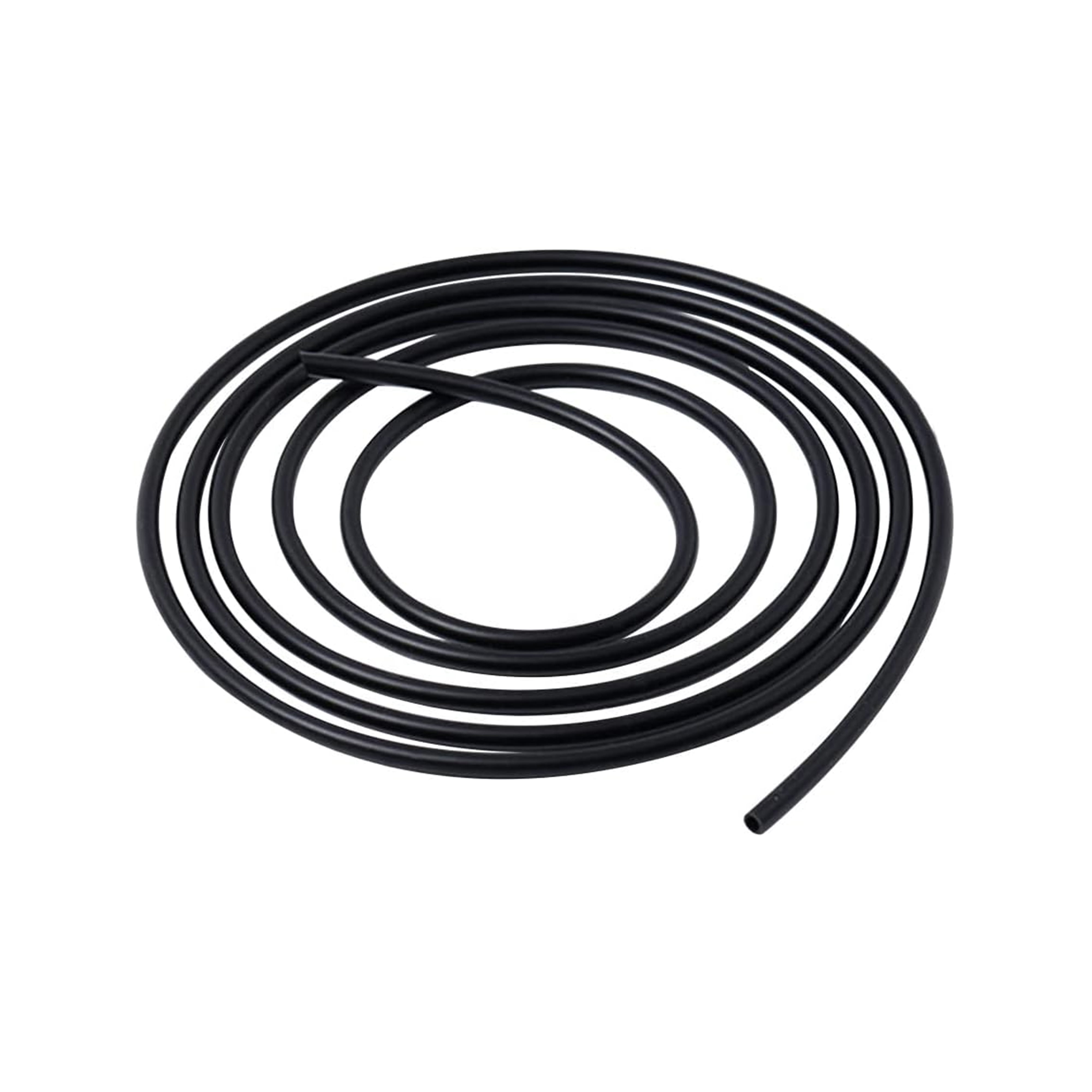 View More
مرنة وقوية أنابيب زيت منخفضة الضغط من الأنبوب المطاط
يمكن أن تكون أنابيب مطاطية أنابيب الزيت المنخفض الضغط أو الجرح من القماش وفقًا ...
View More
مرنة وقوية أنابيب زيت منخفضة الضغط من الأنبوب المطاط
يمكن أن تكون أنابيب مطاطية أنابيب الزيت المنخفض الضغط أو الجرح من القماش وفقًا ... 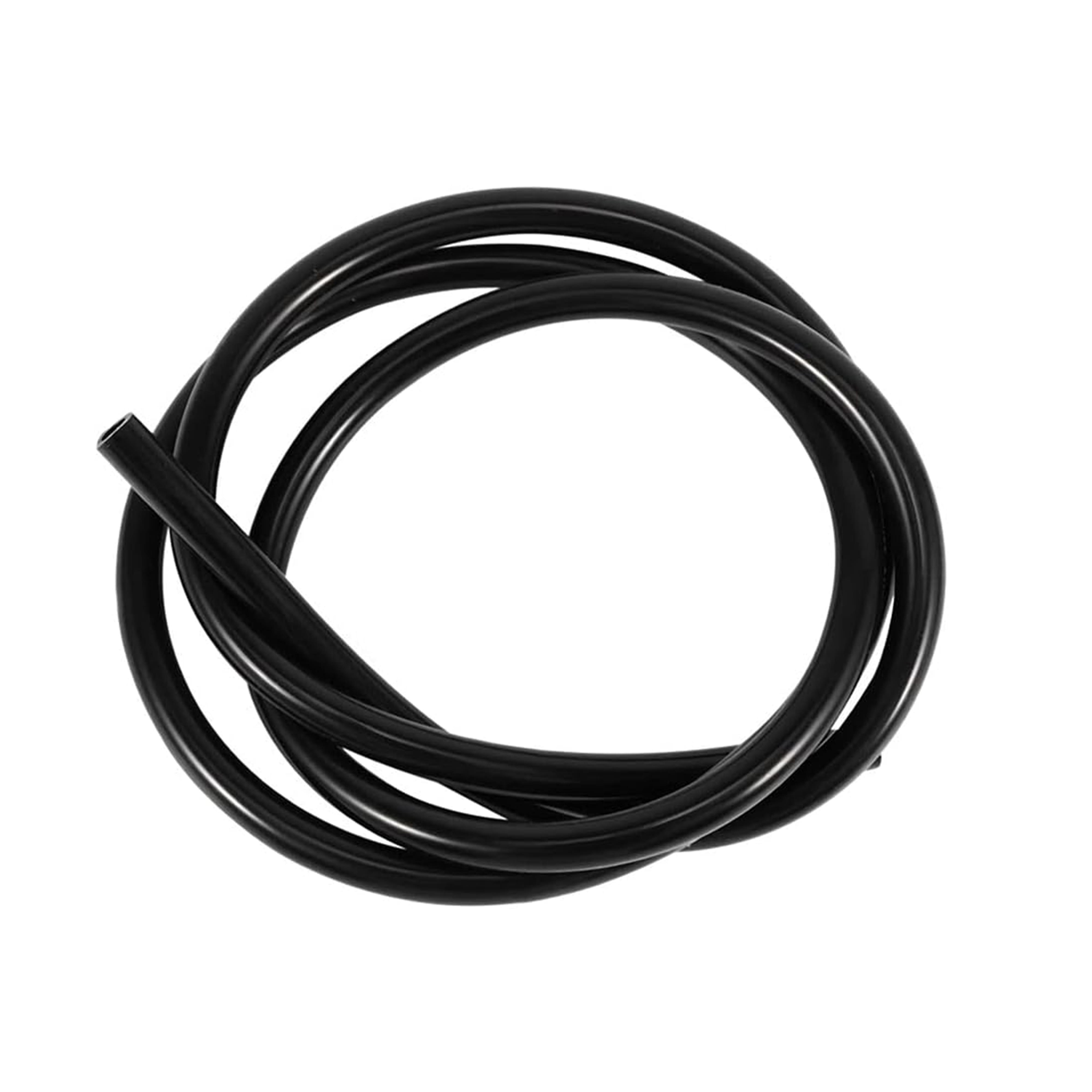 View More
ارتفاع درجات الحرارة أنبوب السيليكون مقاوم أنبوب زيت منخفض الضغط
أنبوب زيت السيليكون منخفض الضغط على أنبوب السيليكون له مزايا مقاومة الشيخوخة ، ...
View More
ارتفاع درجات الحرارة أنبوب السيليكون مقاوم أنبوب زيت منخفض الضغط
أنبوب زيت السيليكون منخفض الضغط على أنبوب السيليكون له مزايا مقاومة الشيخوخة ، ...